New Pension Rules 2026: Significant Advantages for Senior Citizens, Widows, and Persons with Disabilities

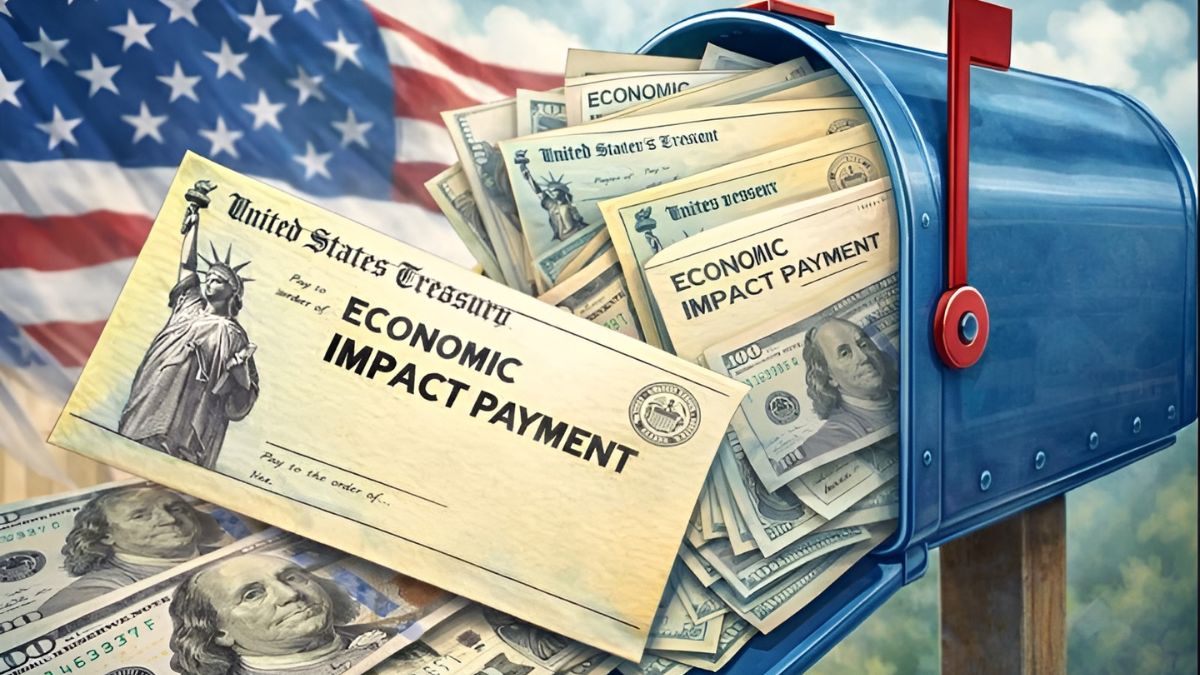
As 2025 approaches its final weeks, many Americans are paying close attention to updates surrounding a proposed $2,000 federal direct deposit expected in December 2025. This initiative is being discussed as a year-end relief measure aimed at helping households cope with ongoing financial pressures, including rising living costs, medical bills, rent, and everyday necessities.

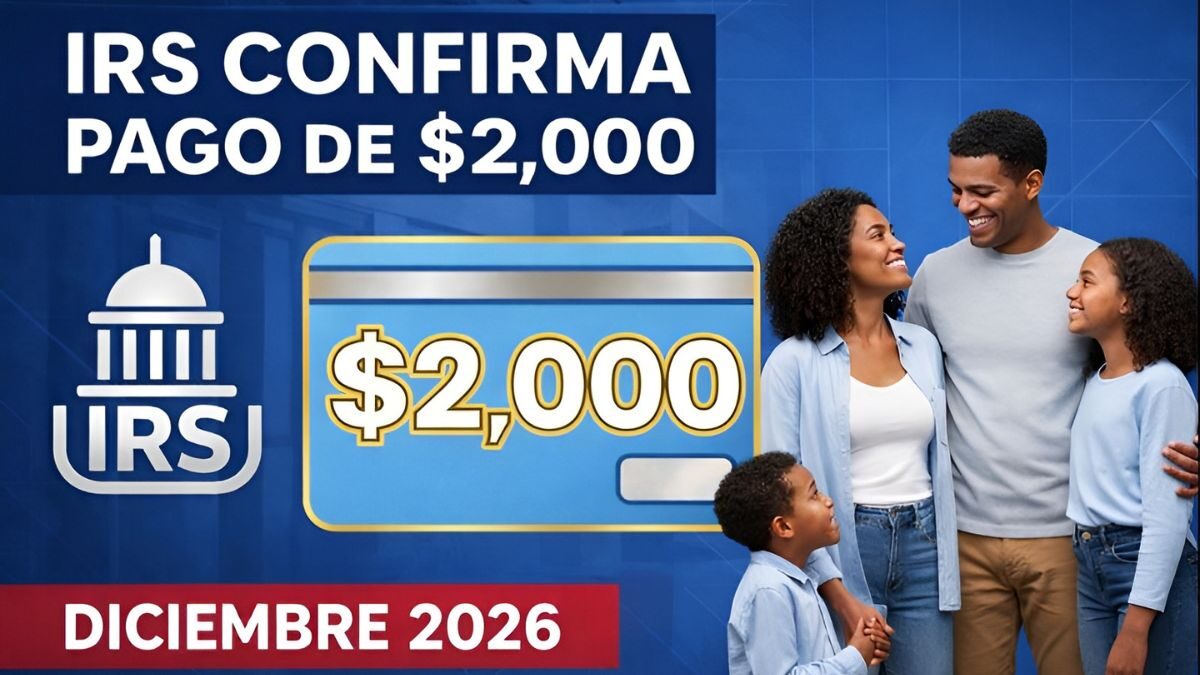
Unlike earlier stimulus checks that required applications or tax-based reconciliation, this proposed payment is designed to be targeted, automated, and efficiently distributed through existing government benefit systems. For eligible recipients, that means faster access to funds with minimal paperwork.

What Is the Federal $2,000 Deposit?

The December 2025 federal $2,000 payment is expected to be a one-time financial assistance deposit. It is not a loan, tax refund, or advance credit. Instead, its purpose is straightforward: to provide timely support to low- and middle-income Americans during the holiday season and the close of the financial year.


By relying on information already on file with federal agencies, the government aims to reduce delays and ensure smoother delivery for millions of recipients.

Quick Overview

  • Payment Amount: $2,000 per eligible individual
  • Payment Type: One-time direct deposit or mailed payment
  • Target Groups: Social Security, SSI, SNAP, Medicaid, and unemployment beneficiaries
  • Income Limits: Up to $75,000 (single), $150,000 (married filing jointly)
  • Expected Timing: Mid to late December 2025

Who May Be Eligible?

Eligibility is primarily based on income thresholds and participation in federal assistance programs. Individuals already enrolled in government benefit systems are expected to receive payments automatically.


Likely eligible groups include:

  • Seniors receiving Social Security or SSI
  • Individuals with disabilities
  • Low-income families
  • Unemployed workers
  • Self-employed individuals who have accurately reported income

Income Guidelines

  • Single filers: Up to $75,000 annually
  • Head of household: Up to $112,500
  • Married filing jointly: Up to $150,000

Those earning above these limits or with incomplete or inaccurate tax records may not qualify.

Program Enrollment and Special Groups

Participation in programs such as Social Security, SSDI, SSI, SNAP, Medicaid, or unemployment assistance is expected to play a key role in determining eligibility.

Households with dependents, people with disabilities, veterans, farmers, and members of tribal communities may qualify for additional benefits, depending on household size and personal circumstances.

Individuals without a valid Social Security Number or ITIN are unlikely to be eligible.

How Will the Payment Be Sent?

One of the strongest advantages of this plan is its automated delivery system. Payments will be issued using existing records from the IRS, Treasury Department, and Social Security Administration.

  • Recipients already enrolled in direct deposit will receive funds electronically
  • Others may receive paper checks or prepaid debit cards
  • No separate application is expected

Making sure your banking and personal information is current will be essential to avoid delays.

December 2025 Payment Schedule

To ensure smooth processing, payments are expected to be distributed in phases:

  • Phase 1 (Dec 10–15): SSI and SSDI recipients
  • Phase 2 (Dec 16–20): Families with dependents
  • Phase 3 (Dec 21–31): Other eligible recipients

While minor delays may occur due to bank processing times or holiday closures, most payments are anticipated before the end of the year.

Why This $2,000 Payment Matters

This relief payment could offer immediate breathing room for millions of households. Seniors may better manage healthcare costs, families can cover groceries and rent, and unemployed individuals may avoid relying on high-interest borrowing.

Beyond individual households, the funds are likely to boost local economies, as the money is typically spent quickly on essential goods and services. Automated direct deposits also reduce fraud risks and help ensure the funds reach the right people securely.

Final Thoughts

The proposed $2,000 federal deposit for December 2025 reflects a targeted and timely approach to economic relief. With automated processing, phased distribution, and clearly defined eligibility criteria, the goal is to deliver assistance quickly and securely to those who need it most.

Keeping your records accurate and up to date will be the best way to ensure you receive the payment without issues.

FAQs

Who will receive the payment first?
SSDI and SSI beneficiaries are expected to be paid first, starting in mid-December.

Is an application required?
No. Payments are expected to be sent automatically to eligible recipients.

How will the payment be delivered?
Funds will be issued via direct deposit or the existing payment method on file.

Leave a Comment

New Pension Rules 2026: Significant Advantages for Senior Citizens, Widows, and Persons with Disabilities

As we approach the end of 2025, significant updates regarding new pension rules are capturing the attention of many Americans. With the proposed $2,000 federal direct deposit expected in December, this initiative aims to provide much-needed financial relief to households. It is particularly beneficial for those facing ongoing challenges such as increasing living costs, medical expenses, and everyday necessities.

Unlike prior stimulus payments that required individuals to file applications or reconcile on tax returns, this proposed payment is being designed to be automated and efficiently delivered. For eligible recipients, this means quicker access to funds and minimal hassle.

What Is the Federal $2,000 Deposit?

The federal $2,000 payment scheduled for December 2025 is slated to be a one-time financial assistance deposit. It is neither a loan, tax refund, nor advance credit. The primary aim of this payment is to provide rapid support to low- and middle-income Americans during the holiday season and end of the financial year.

By leveraging information already available through federal agencies, the government intends to minimize delays and ensure a smoother delivery process for millions of eligible recipients.

Quick Overview

Payment Amount: $2,000 per eligible individual
Payment Type: One-time direct deposit or mailed payment
Target Groups: Social Security, SSI, SNAP, Medicaid, and unemployment beneficiaries
Income Limits: Up to $75,000 (single), $150,000 (married filing jointly)
Expected Timing: Mid to late December 2025

Who May Be Eligible?

Eligibility for the federal payment is largely determined by income thresholds and participation in federal assistance programs. Individuals currently enrolled in government benefit systems can expect to receive their payments automatically.

Likely Eligible Groups Include:

– Seniors receiving Social Security or SSI
– Individuals with disabilities
– Low-income families
– Unemployed workers
– Self-employed individuals with valid income reports

Income Guidelines

Single filers: Up to $75,000 annually
Heads of household: Up to $112,500
Married filing jointly: Up to $150,000

Individuals exceeding these limits or possessing inaccurate tax records may not qualify for the payment.

Program Enrollment and Special Groups

Participation in programs like Social Security, SSDI, SSI, SNAP, and Medicaid is likely to be crucial for determining eligibility. Households with dependents, individuals with disabilities, veterans, farmers, and members of tribal communities may also qualify for additional benefits depending on their unique circumstances.

It’s important to note that individuals lacking a valid Social Security Number or ITIN are typically ineligible for assistance.

How Will the Payment Be Sent?

One of the most appealing aspects of this proposal is its automated delivery system. Payments will be processed using existing records from various federal departments, including the IRS, Treasury Department, and Social Security Administration.

– Recipients enrolled in direct deposit will receive funds electronically.
– Others may receive paper checks or prepaid debit cards.
No separate application is necessary.

It is crucial for recipients to keep their banking and personal information updated to avoid potential delays.

December 2025 Payment Schedule

To ensure a smooth disbursement, payments are scheduled to be distributed in phases:

Phase 1 (Dec 10–15): SSI and SSDI recipients
Phase 2 (Dec 16–20): Families with dependents
Phase 3 (Dec 21–31): Other eligible recipients

Minor delays may occur due to bank processing times or holiday schedules, but most payments are anticipated before the year concludes.

Why This $2,000 Payment Matters

This relief payment has the potential to provide immediate aid to millions of households. Seniors may find it easier to manage healthcare expenses, families can cover essential costs like groceries and rent, and unemployed individuals can reduce their dependence on high-interest loans.

Additionally, the influx of funds is likely to stimulate local economies, as recipients typically spend the money rapidly on necessities. The automated nature of these deposits also decreases the likelihood of fraud, ensuring funds securely reach those in need.

Final Thoughts

The proposed $2,000 federal deposit for December 2025 represents a timely and focused approach to economic relief. With its automated processing, phased distribution, and clear eligibility guidelines, the initiative aims to deliver assistance quickly and securely.

To ensure you receive your payment without complications, it is essential to maintain accurate and current records.

Who will receive the payment first?

SSDI and SSI beneficiaries are expected to be paid first, starting in mid-December.

Is an application required?

No. Payments are expected to be sent automatically to eligible recipients.

How will the payment be delivered?

Funds will be issued via direct deposit or the existing payment method on file.

What are the income limits for eligibility?

Single filers can earn up to $75,000, heads of households up to $112,500, and married couples filing jointly up to $150,000.

When can eligible recipients expect to receive their payments?

Payments are anticipated to be distributed from December 10 to the end of December 2025.

Leave a Comment

🗽
United States Treasury
$2000 Direct Deposit
💵 Claim Here!
$2,000.00