
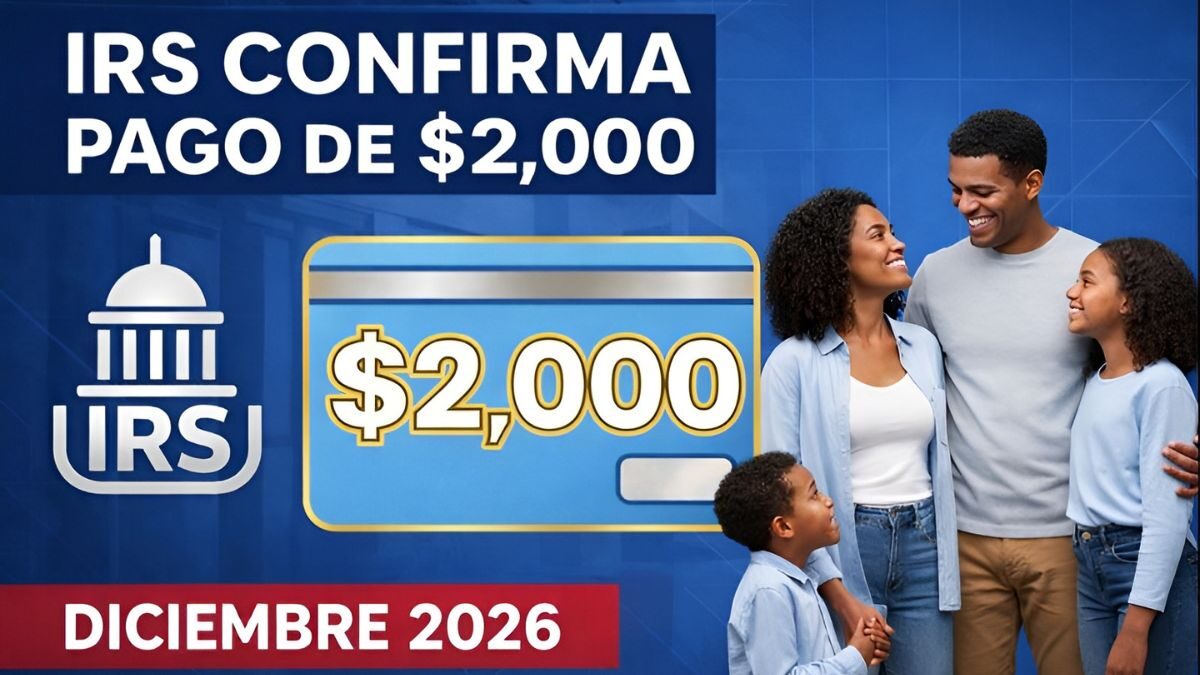
$2,000 Federal Direct Deposit Confirmed: As December 2025 approaches, it is becoming a month of financial significance for many Americans. The Internal Revenue Service (IRS) has officially announced a $2,000 federal direct deposit scheduled for mid-December. This payment aims to assist individuals and families grappling with skyrocketing living costs, a relief that comes at a time when expenses naturally surge.

Inflation has persistently impacted essentials such as housing, groceries, healthcare, and utility bills. Consequently, many households find themselves struggling to make ends meet as the year draws to a close. This financial support is intended to provide relief, helping families to enter the new year with a stronger foundation.
Understanding the $2,000 Federal Direct Deposit Payment
The upcoming $2,000 payment is part of a special relief initiative being facilitated by the IRS. Although it may resemble previous stimulus checks, it is not officially categorized as a new stimulus program. Instead, it responds directly to the ongoing economic pressures and inflation challenges faced by numerous Americans.



This payment is designed to be automatic and hassle-free. Eligible individuals will not be required to fill out applications or submit extraneous paperwork. The IRS will utilize existing records to pinpoint qualifying recipients and directly deposit funds into their bank accounts.
Why This Payment Matters in December
December often ranks as one of the most financially taxing months of the year. Higher heating bills, holiday spending, and unexpected costs can strain budgets, particularly for families on fixed or limited incomes. The provision of a $2,000 payment during this critical period may bring considerable relief.


- Cover essential costs such as rent and utilities.
- Reduce reliance on credit cards or high-interest loans.
- Ease financial stress and foster better planning for the coming year.
Who Is Expected to Qualify for the Payment
Eligibility for the $2,000 federal direct deposit payment hinges on factors including income, tax filing history, and participation in federal benefit programs. The IRS will analyze existing data to determine who qualifies, streamlining the process and minimizing errors.
This payment is particularly intended for low- and moderate-income individuals and families. Those receiving Social Security, SSI, or SSDI benefits are likely to be included among the eligible recipients. Veterans receiving VA benefits and households qualifying for refundable tax credits are also in the targeted group.
Income Limits and Payment Eligibility
Income limits are crucial for determining who is eligible for this payment. Individuals filing as single taxpayers with an income of up to $75,000 may qualify for the full amount. Heads of households earning up to $112,500 and married couples filing jointly with an income ceiling of $150,000 also fall within the eligibility range.
Individuals exceeding these thresholds might see the payment reduced or eliminated entirely. The IRS will leverage income data from tax returns to assess eligibility, underscoring the need for accurate and up-to-date records.
How the $2,000 Payment Will Be Delivered
The IRS has confirmed that this payment will only be disbursed via direct deposit; physical checks will not be issued. This approach allows funds to reach recipients more rapidly and diminishes the chances of delays or lost payments.
The payment will be routed to the bank account used for recent tax refunds or linked to federal benefit programs like Social Security. Most banks are anticipated to process the deposits on the same day, although some may take up to forty-eight hours.
Confirmed Payment Date and Distribution Timing
The IRS has earmarked *December 18, 2025*, as the scheduled payment date. While payments may be issued in waves, most eligible recipients should expect to see their funds arrive around this date. Direct deposit ensures swift access to the payment.
While some individuals might encounter slight delays due to banking processing times or holiday schedules, the IRS aims for efficient distribution to ensure recipients can access these necessary funds before the year concludes.
What Recipients Should Do Before December
To prevent delays in receiving funds, individuals should make certain their tax and banking information is accurate. If recent changes to bank accounts have occurred, it’s crucial to update these records with the IRS or relevant benefits agencies. Proper information will help ensure timely delivery of payments.
Monitoring IRS announcements and reviewing bank statements around mid-December can also empower recipients to confirm when their deposit arrives. Staying informed through reliable government sources is imperative to prevent confusion.
How This Payment Can Support Financial Stability
The $2,000 federal direct deposit can significantly assist households in managing essential expenses like rent, utilities, and groceries. For many families, it may also alleviate medical bills or diminish outstanding debts. Making thoughtful use of this payment can offer both immediate relief and longer-term financial advantages.
Moreover, this payment symbolizes reassurance during a time when economic uncertainty often breeds stress, enabling families to approach the year ahead with less anxiety.
Economic Impact Beyond Individual Households
Beyond aiding individual families, this payment has the potential to bolster the wider economy. When used for essential purchases, these funds support local businesses and service providers. Such increased spending can create a positive ripple effect, especially within communities grappling with inflation.
This targeted initiative aims to balance personal financial assistance with broader economic stability, effectively addressing cost-of-living challenges without invoking a widespread stimulus program.
The $2,000 federal direct deposit set for December 18, 2025, represents vital support for millions of Americans. With direct payments, defined eligibility requirements, and a confirmed distribution date, this relief measure arrives at an essential moment. As households navigate rising costs, this assistance can alleviate financial burdens and promote a more stable start to the new year.
Ensuring that tax and banking information remain accurate is a critical step in facilitating smooth receipt of the payment. Staying updated through official IRS channels will help recipients sidestep confusion and delays.
Disclaimer
This article serves solely for informational purposes and is based on publicly available information at the time of writing. It does not constitute financial, tax, or legal advice. Eligibility, dates, and payment policies are subject to change. Readers are encouraged to verify details through official IRS resources or consult qualified professionals for personalized guidance.
When will the $2,000 payment be distributed?
What are the eligibility criteria for the payment?
How will the payment be delivered?
Who is expected to qualify for the payment?
What should recipients do before the payment date?
