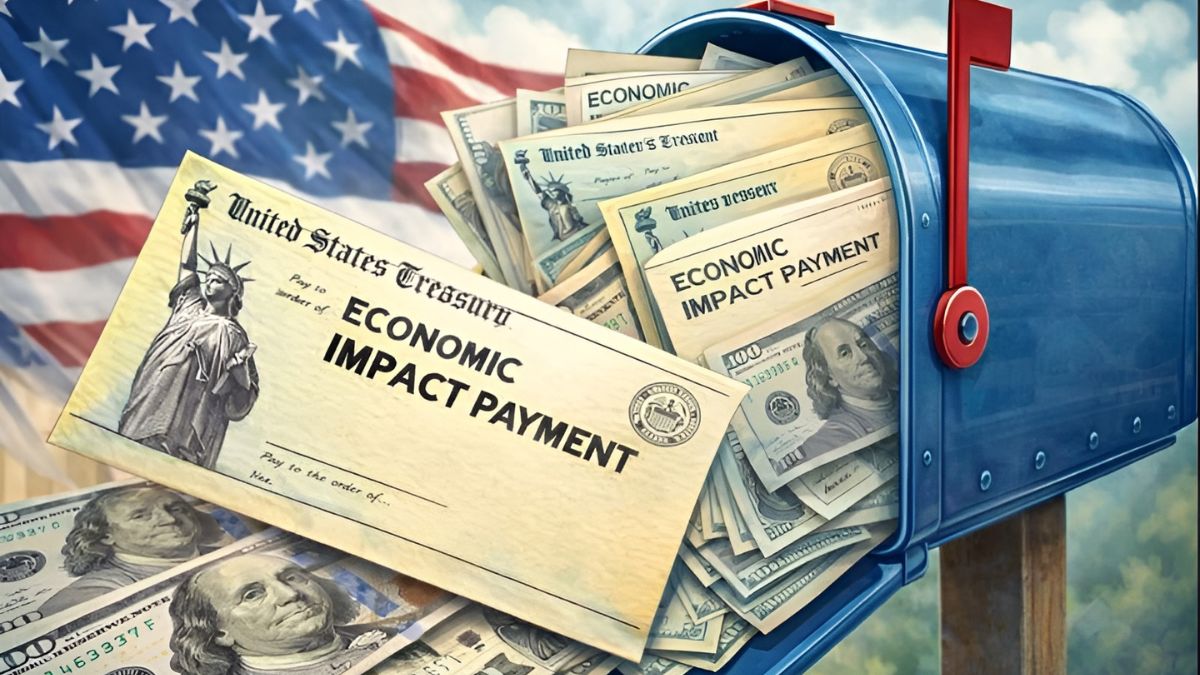
Federal $2,000 Direct Deposit Expected in December 2025: What to Know as the Year Wraps Up
As 2025 heads toward the finish line, many Americans are keeping a close eye on news around a proposed federal $2,000 direct deposit expected in December 2025. The idea behind this payment is simple: offer year-end financial relief to households still feeling the squeeze from rising living costs, healthcare bills, rent, and everyday essentials.
Unlike earlier stimulus checks, this payment is designed to be targeted and automated. That means eligible recipients wouldn’t need to submit a new application. Instead, the government plans to rely on existing benefit and tax records to deliver the money faster and with less paperwork.
What Is the Federal $2,000 Deposit?
The December 2025 payment is expected to be a one-time assistance deposit, not a loan, tax refund, or advance credit. Its main goal is to help low- and middle-income Americans cover essential expenses during the holiday season and at the close of the financial year.
Payments would be issued using information already on file with agencies like the Internal Revenue Service and the Social Security Administration, which helps streamline delivery and reduce delays.
Quick Overview
- Payment amount: $2,000 per eligible individual
- Payment type: One-time direct deposit or mailed payment
- Target groups: Social Security, SSI, SNAP, Medicaid, and unemployment recipients
- Income limits: Up to $75,000 (single), $150,000 (married filing jointly)
- Expected timing: Mid to late December 2025
Who Is Expected to Qualify?
Eligibility is largely tied to income levels and participation in federal benefit programs. People already listed in federal databases are the most likely to receive payments automatically.
Income Guidelines
- Single filers: Up to $75,000
- Head of household: Up to $112,500
- Married filing jointly: Up to $150,000
Those above these thresholds are unlikely to qualify.
Program Enrollment
Priority is expected for individuals enrolled in programs such as:
- Social Security, SSI, or SSDI
- SNAP or Medicaid
- Unemployment assistance
Accurate and up-to-date income reporting will be essential.
Dependents and Special Groups
Households with children, people with disabilities, veterans, farmers, and members of tribal communities may qualify for additional support, depending on household size and specific circumstances.
On the other hand, individuals without a valid SSN or ITIN, high-income earners, or those with incorrect tax records are generally expected to be excluded.
How the Payment Will Be Sent
One of the biggest advantages of this plan is automation. Payments would be issued using existing records held by the IRS, the Treasury Department, and the Social Security Administration.
- Direct deposit for those who already receive benefits electronically
- Paper checks or prepaid debit cards for others, based on the payment method already on file
At this stage, no separate application is expected to be required.
December 2025 Payment Timeline (Expected)
To avoid system overload, payments are likely to be distributed in phases:
- December 10–15: SSI and SSDI recipients
- December 16–20: Families with dependents
- December 21–31: Other eligible beneficiaries
While some delays may occur due to bank processing times or holiday closures, most payments are expected to arrive before the end of the year.
Why This $2,000 Payment Matters
For many households, this deposit could provide immediate breathing room. Seniors may better manage healthcare costs, families can cover groceries or rent, and unemployed individuals may avoid turning to high-interest credit.
There’s also a broader impact: when funds are spent quickly on necessities, local businesses and communities benefit. Direct deposit delivery further reduces fraud risk and helps ensure funds reach the right people.
Final Thoughts
The proposed $2,000 federal deposit in December 2025 represents a focused effort to support Americans who need help the most. With automated processing, phased delivery, and clear eligibility rules, the goal is to get money out quickly and securely.
To avoid delays, make sure your personal and banking information is current with federal agencies. For the most accurate updates, rely on official government sources—and consider checking in with a financial or tax professional if you’re unsure about your eligibility.
FAQs
Who gets paid first?
SSI and SSDI beneficiaries are expected to receive payments first in mid-December.
Is an application required?
No. Payments are expected to be automatic for eligible recipients.
How will the money be sent?
Via direct deposit or the existing payment method already on file with federal agencies.
