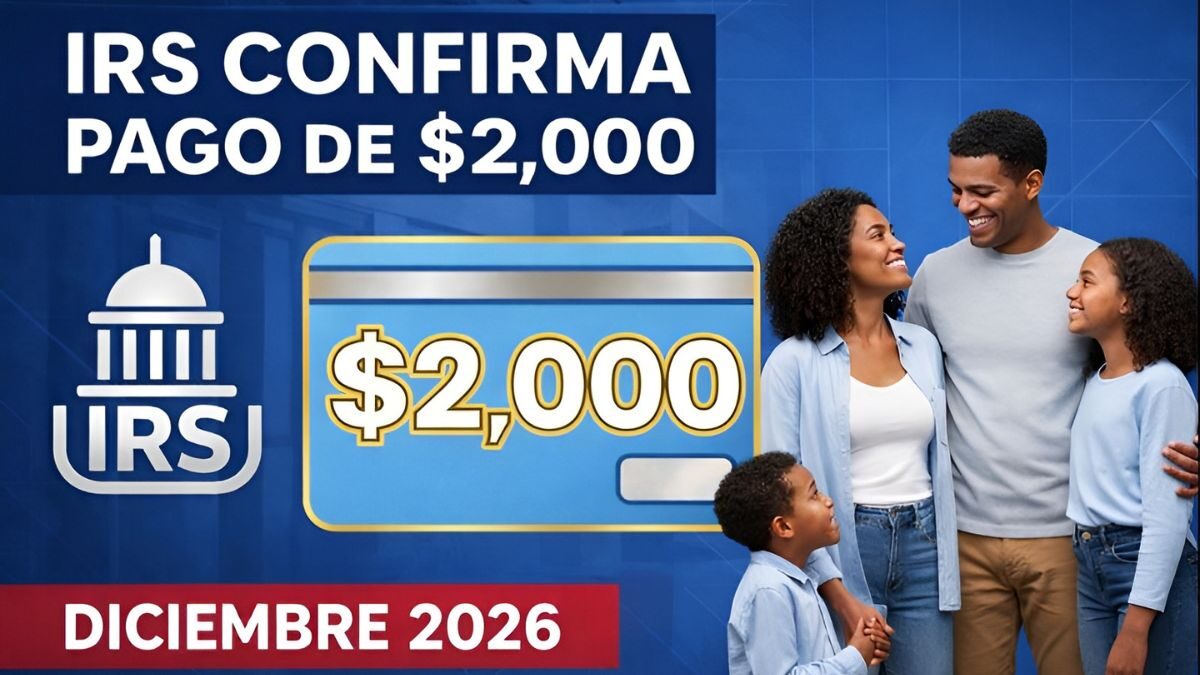
The recent announcement regarding a $2,000 federal direct deposit has generated significant interest. This informative guide is designed to clarify who may qualify for this payment, the eligibility requirements, and tips on checking payment dates. By following these clear and practical steps, you can confirm your eligibility and prepare for the incoming deposit.


Understanding the $2,000 Federal Direct Deposit
The $2,000 federal direct deposit refers to a government payment distributed electronically to eligible individuals’ bank accounts. Unlike checks sent via postal mail, these payments are delivered directly for those who have their banking information on file with the responsible agency.
Awareness of the program’s specifications and mechanics helps individuals navigate potential scams and stay informed about official updates.



Who Is Eligible for the $2,000 Federal Direct Deposit?
Eligibility for the $2,000 direct deposit is determined by various program criteria and legislative factors. Common eligibility components include:
- Citizenship or lawful residency
- Income limits or median income thresholds
- Tax filing status or information from prior-year tax returns
- Participation in social programs (e.g., Social Security, veterans benefits)
- Accurate bank account details on file with the issuing agency
How to Confirm Your Eligibility
To ensure you are eligible for the payment, visit the official government website related to the direct deposit or contact the issuing agency directly. Steer clear of third-party services that request fees for verification.


Here’s how you can confirm your eligibility:
- Find the official program page on a federal or state government website
- Enter the necessary personal information on secure agency portals
- Look out for official notifications via mail or verified email from the agency
Payment Dates: When Will the $2,000 Arrive?
Payment dates for the $2,000 federal direct deposit are established by the issuing agency and communicated through official channels. These dates may vary based on elements such as last names, benefit types, or tax ID numbers to ease processing.
Common scheduling methods include:
- One-time mass deposits for all eligible recipients
- Staggered deposits over several days or weeks
- Prioritized timing for direct deposit recipients as opposed to those receiving mailed checks
How to Find Exact Payment Dates
To determine the specific date of the deposit for your account, use the official lookup tools provided by the issuing agency. Additionally, monitor your bank account for incoming transfers or consult official notifications sent by the agency.
Consider these tips for tracking deposit timing:
- Check pending deposits with your bank
- Monitor your email and secure agency portals for payment confirmations
- Allow 24-72 hours after the specified date for the bank to process the direct deposit
What to Do If You Don’t Receive the $2,000 Deposit
If you notice that the expected direct deposit has not appeared, follow this sequence of steps promptly to minimize delays and resolve any issues:
- Verify the official payment date and ensure your account details were accurately filed
- Contact your bank to check for pending deposits or holds
- Reach out to the agency’s customer support with your reference number
- Keep records of any correspondence and transaction IDs
Did You Know? Many federal deposits show as incoming 1-2 business days prior to the funds being accessible. Banks may flag these as “pending” credits before they fully reflect in your available balance.
Examples of Eligibility Scenarios
Here are a few common scenarios to help illustrate how eligibility rules and payment timing typically function. Please note these examples are general and not attached to any specific program:
- A retiree receiving Social Security benefits generally will have the deposit made to the same bank account associated with their benefits.
- An electronically-filed taxpayer who provided their direct deposit information to the IRS may receive their payment quicker than those waiting for a mailed check.
- A low-income household qualifying based on income limits must confirm their bank information is current to avoid delays.
Real-World Case Study
Consider the case of Maria, a small business worker who was eagerly anticipating the $2,000 deposit after seeing it announced officially. She verified her eligibility through the government portal and ensured that her direct deposit information was up to date.
Outcome: Maria’s deposit was scheduled for a staggered release. She noticed a pending credit in her account on the expected date, and the funds became available two business days later. A neighbor who did not receive the payment discovered outdated bank routing information and was able to resolve this through the agency’s help desk.
Practical Tips to Prepare for the Deposit
To minimize potential delays and streamline the tracking process once your payment is confirmed, consider these useful steps:
- Double-check your bank routing and account numbers with the issuing agency.
- Enroll in account alerts from your bank to receive notifications of incoming deposits.
- Preserve confirmation numbers and emails from the agency for any needed follow-ups.
- Be cautious about sharing personal banking details with unofficial sources promising expedited payments.
Final Steps and Where to Get Help
For accurate information, always rely on official government websites and agency contact numbers. If you suspect any fraudulent activity, report it immediately to both your bank and the agency.
Useful contacts include the issuing agency’s support center, your bank’s customer service, and recognized consumer protection resources. Having documentation readily accessible during your calls will help expedite the resolution process.
This guide provides clear steps to confirm eligibility and monitor payment dates for the $2,000 federal direct deposit. Stay informed and utilize the tools offered by official sources along with your bank to resolve any concerns swiftly.
What is the $2,000 federal direct deposit?
Who qualifies for the $2,000 payment?
How can I check my eligibility?
When will the $2,000 be deposited?
What should I do if I do not receive the payment?
